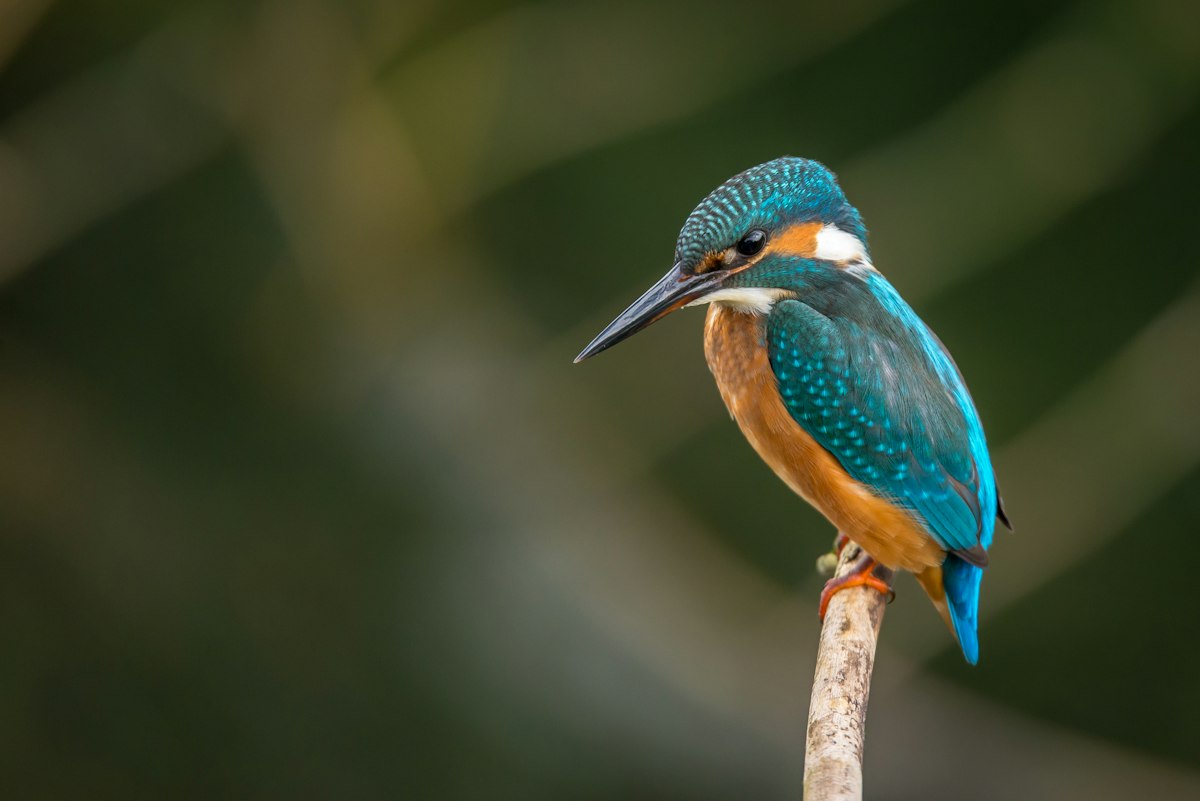
Reaching dive speeds exceeding 320 km/h (200 mph), the Peregrine Falcon is a master of aerial velocity and high-altitude hunting precision.
The Peregrine Falcon (*Falco peregrinus*) represents the pinnacle of natural bio-engineering and aerodynamic mastery. Found on every continent except Antarctica, this formidable bird of prey is celebrated globally as the fastest animal on planet Earth. When executing its signature high-altitude hunting dive—known to ornithologists as a "stoop"—a Peregrine routinely exceeds speeds of 320 km/h (200 mph).
Bio-Aerodynamics of the Hunting Stoop
Achieving speeds faster than a commercial sports car requires specialised physical adaptations. The Peregrine Falcon features a compact, streamlined body shape, pointed teardrop wings, and rigid flight feathers that minimize air drag.
During a vertical dive, air pressure at high speed could blow out a bird's delicate lungs. To counteract this aerodynamic obstacle, Peregrines possess cone-shaped bony structures called nostrils baffles inside their nasal passages. These tubercles deflect rushing airflow, enabling normal respiration even while diving at terminal velocity. Furthermore, their eyes are protected by nictitating membranes (third eyelids) that sweep away dust while maintaining clear visual focus on targets below. For detailed ornithological profiles, visit [Wikipedia's Peregrine Falcon Documentation](https://en.wikipedia.org/wiki/Peregrine_falcon).
Hunting Strategy and Avian Prey Selection
Peregrines hunt primarily mid-sized birds such as feral pigeons, doves, ducks, and shorebirds like the [Atlantic Puffin](/articles/atlantic-puffin-the-clown-of-the-ocean-cliffs). Spotting prey from perches on high cliffs or soaring thermal currents, the falcon initiates a high-velocity stoop.
Rather than grabbing prey with open feet at top speed—which would break the falcon's own legs—the Peregrine strikes its target with a clenched foot, knocking the prey out of the air instantly through sheer kinetic impact. It then loops around mid-air to retrieve the falling prey before it hits the ground.
Historic Collapse and Landmark Recovery
During the mid-20th century, global populations of *Falco peregrinus* plummeted precipitously due to organochlorine pesticides, most notably DDT. These toxic agricultural chemicals accumulated in the food chain, causing female falcons to lay thin-shelled eggs that crushed during incubation.
Following aggressive bans on DDT in the 1970s and extensive captive breeding programs conducted by conservation organizations including the [World Wildlife Fund](https://www.worldwildlife.org), the Peregrine Falcon executed one of the most successful wildlife recoveries in history. Today, booming urban populations nest atop high-rise skyscrapers and suspension bridges worldwide, keeping city pigeon populations under ecological balance while remaining under the protective purview of the [IUCN Red List](https://www.iucnredlist.org).
More Like This
 Owls
OwlsThe Great Horned Owl: Phantom of the Night Sky
One of North America's most powerful nocturnal predators rules the darkness with silent wings, razor-sharp talons, and golden eyes adapted to dim light.
 Seabirds
Atlantic Puffin: The Clown of the Ocean Cliffs
With bright orange bills and impressive diving capabilities, Atlantic Puffins spend months at sea before returning to rocky island cliffs to nest.
 Waders
Flamingo: Why They Stand on One Leg
Recent biomechanical research has solved the age-old mystery of why flamingos balance effortlessly on one leg in alkaline lagoons.
0 Comments