Few sights in the natural world are as otherworldly as a Snowy Owl perched motionless in a snowfield, amber eyes tracking the invisible.
The Snowy Owl (Bubo scandiacus) has evolved for one of Earth's harshest environments. It is a bird of extraordinary beauty and brutal efficiency.
Built for the Cold
The Snowy Owl's feathers extend all the way down its legs and toes — direct insulation against permafrost temperatures that can drop below -50°C. Their plumage traps so much air that they appear much larger than their actual body mass.
In lemming boom years, a single pair of Snowy Owls may catch and eat over 1,600 lemmings to feed themselves and their chicks through the Arctic summer.
Irruption Years
Snowy Owls are nomadic, following prey across vast distances. When lemming populations crash, Snowy Owls travel south in large numbers — a phenomenon called an irruption. These events occasionally bring Snowy Owls into urban areas and airports far outside their usual range.
More Like This
 Owls
OwlsThe Great Horned Owl: Phantom of the Night Sky
One of North America's most powerful nocturnal predators rules the darkness with silent wings, razor-sharp talons, and golden eyes adapted to dim light.
 Raptors
Peregrine Falcon: Fastest Creature on Earth
Reaching dive speeds exceeding 320 km/h (200 mph), the Peregrine Falcon is a master of aerial velocity and high-altitude hunting precision.
 Seabirds
Atlantic Puffin: The Clown of the Ocean Cliffs
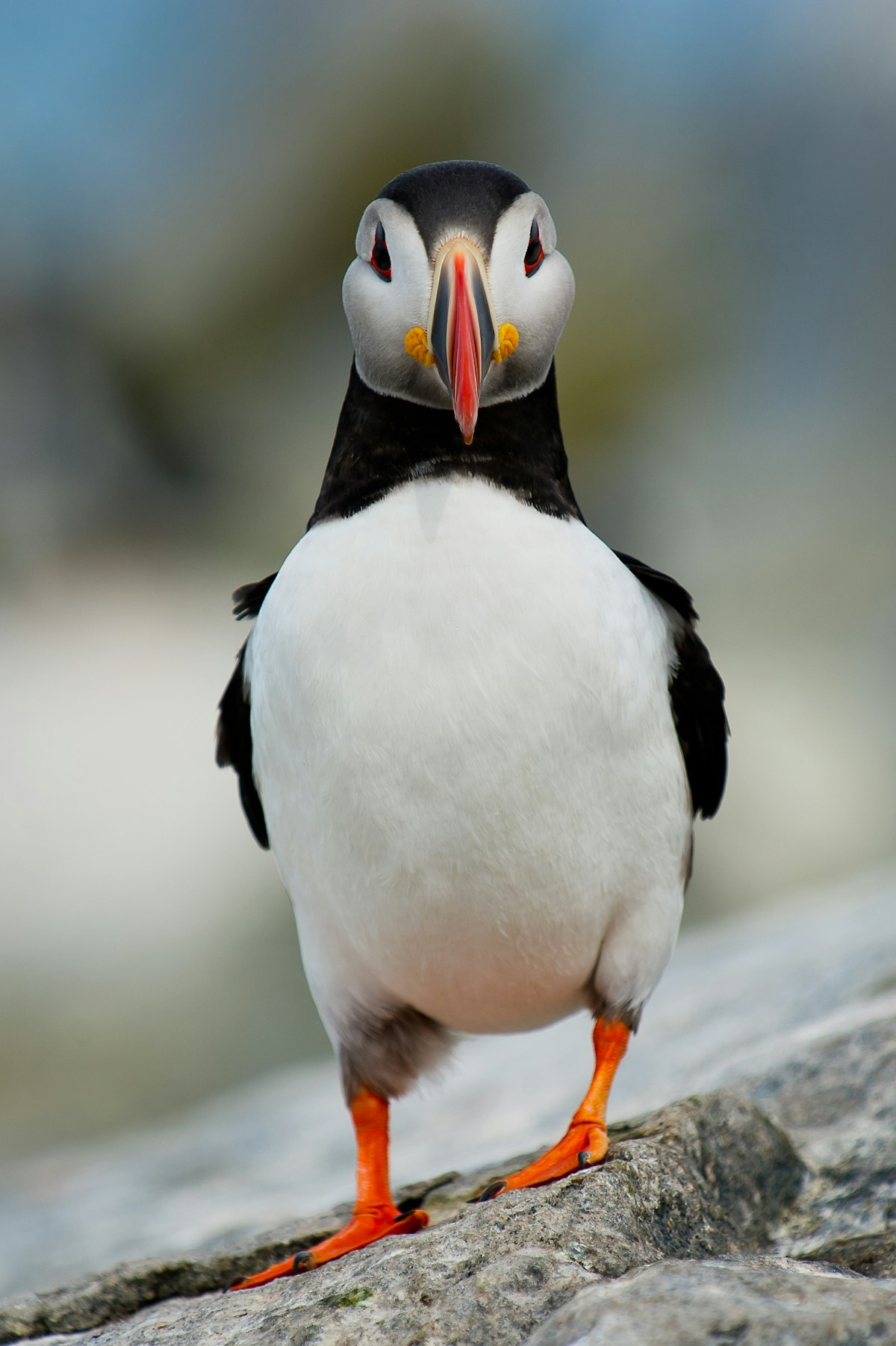
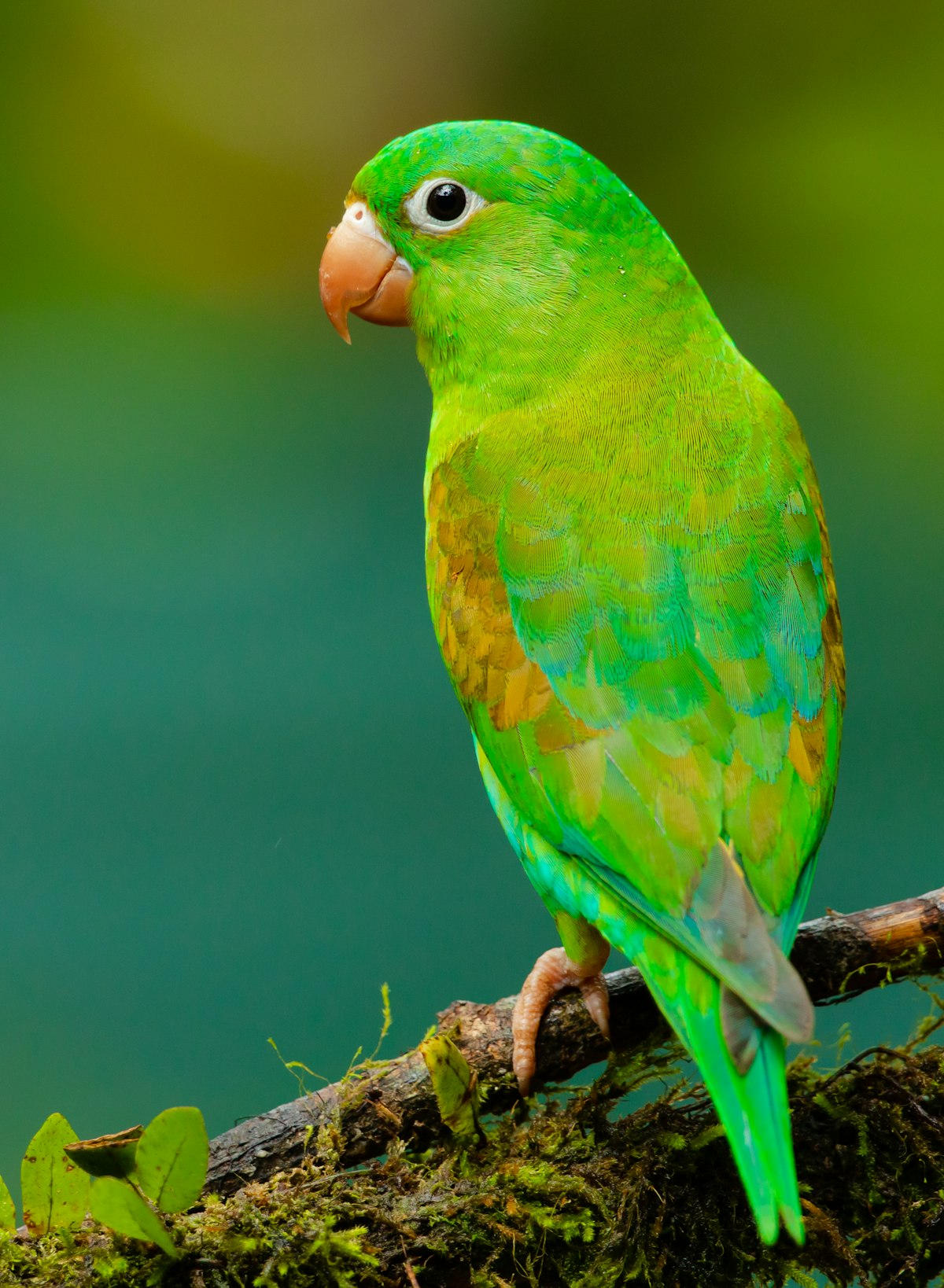
With bright orange bills and impressive diving capabilities, Atlantic Puffins spend months at sea before returning to rocky island cliffs to nest.
0 Comments