An in-depth look at how the Snowy Owl survives sub-zero Arctic winters, hunts lemmings in 24-hour daylight, and migrates southward during irruption years.
The Snowy Owl (*Bubo scandiacus*) is one of the most enigmatic and visually striking raptors on Earth. Native to the circumpolar Arctic tundra spanning North America, Europe, and Asia, this nomadic white predator is uniquely adapted to survive extreme sub-zero conditions where temperatures frequently plunge below -50°C.
Arctic Thermal Adaptation and Camouflage
Unlike most owls, which feature mottled brown plumage designed for woodland camouflage, adult male Snowy Owls are nearly pure white, providing total visual concealment against Arctic snowfields. Females and juveniles display subtle black bars across their back and chest.
To survive bitter polar winds, the Snowy Owl possesses one of the thickest feather coatings in the avian world. Feathers densely cover every part of their body, extending all the way down their legs, toes, and talons, leaving only the beak tip exposed to the cold air.
Daylight Hunting and Lemming Population Dynamics
While temperate cousins like the [Great Horned Owl](/articles/the-great-horned-owl-phantom-of-the-night-sky) hunt exclusively under cover of dark, the Snowy Owl is diurnal. During the continuous 24-hour sunshine of the Arctic summer, it hunts incessantly to feed its brood.
Snowy Owls are ecological specialists dependent on brown lemmings. A single adult owl consumes up to 1,600 lemmings per year—averaging 3 to 5 small rodents every day. When lemming populations surge in peak years, Snowy Owl clutches expand to 10 or 12 eggs; conversely, during lemming population crashes, owls may refrain from breeding altogether. For species distribution maps, check the [IUCN Red List Snowy Owl Directory](https://www.iucnredlist.org).
Winter Irruptions into Lowland Ecosystems
During cyclical prey shortages, thousands of Snowy Owls undertake southward migrations into southern Canada, northern United States, and Eurasia—a phenomenon known to naturalists as an "irruption."
During irruption years, Snowy Owls frequently settle in wide-open flat environments like coastal beaches, agricultural fields, and major international airport airfields, which mimic the treeless topography of their Arctic tundra home. Conservation groups like the [World Wildlife Fund](https://www.worldwildlife.org) conduct satellite tracking studies to better understand these winter nomadic movements and safeguard global populations.
More Like This
 Owls
OwlsThe Great Horned Owl: Phantom of the Night Sky
One of North America's most powerful nocturnal predators rules the darkness with silent wings, razor-sharp talons, and golden eyes adapted to dim light.
 Raptors
Peregrine Falcon: Fastest Creature on Earth
Reaching dive speeds exceeding 320 km/h (200 mph), the Peregrine Falcon is a master of aerial velocity and high-altitude hunting precision.
 Seabirds
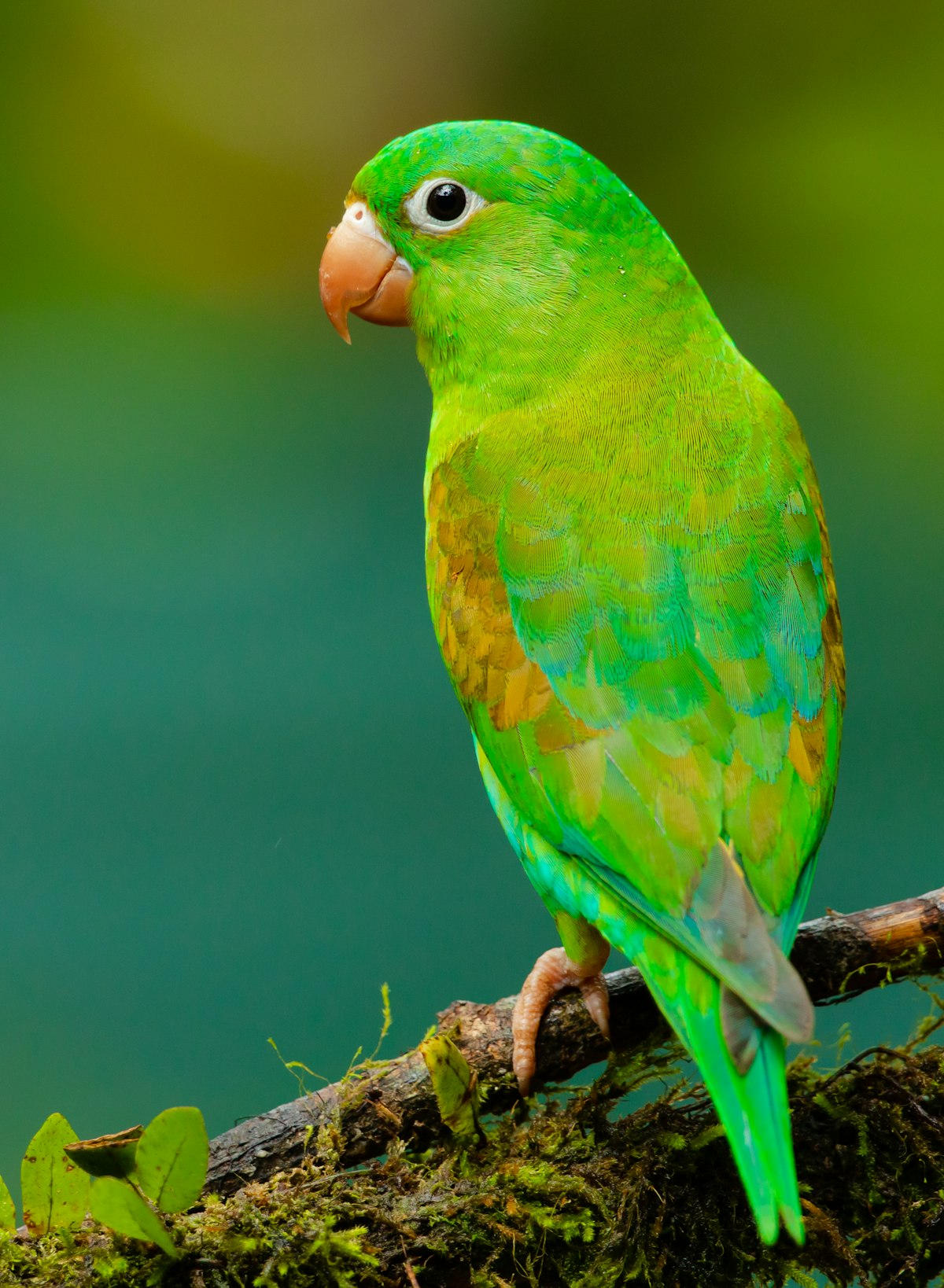
Atlantic Puffin: The Clown of the Ocean Cliffs
With bright orange bills and impressive diving capabilities, Atlantic Puffins spend months at sea before returning to rocky island cliffs to nest.
0 Comments